49/08, Nirala Residential Area, Khulna
contact@digitalexpertit.com
←Back to Articles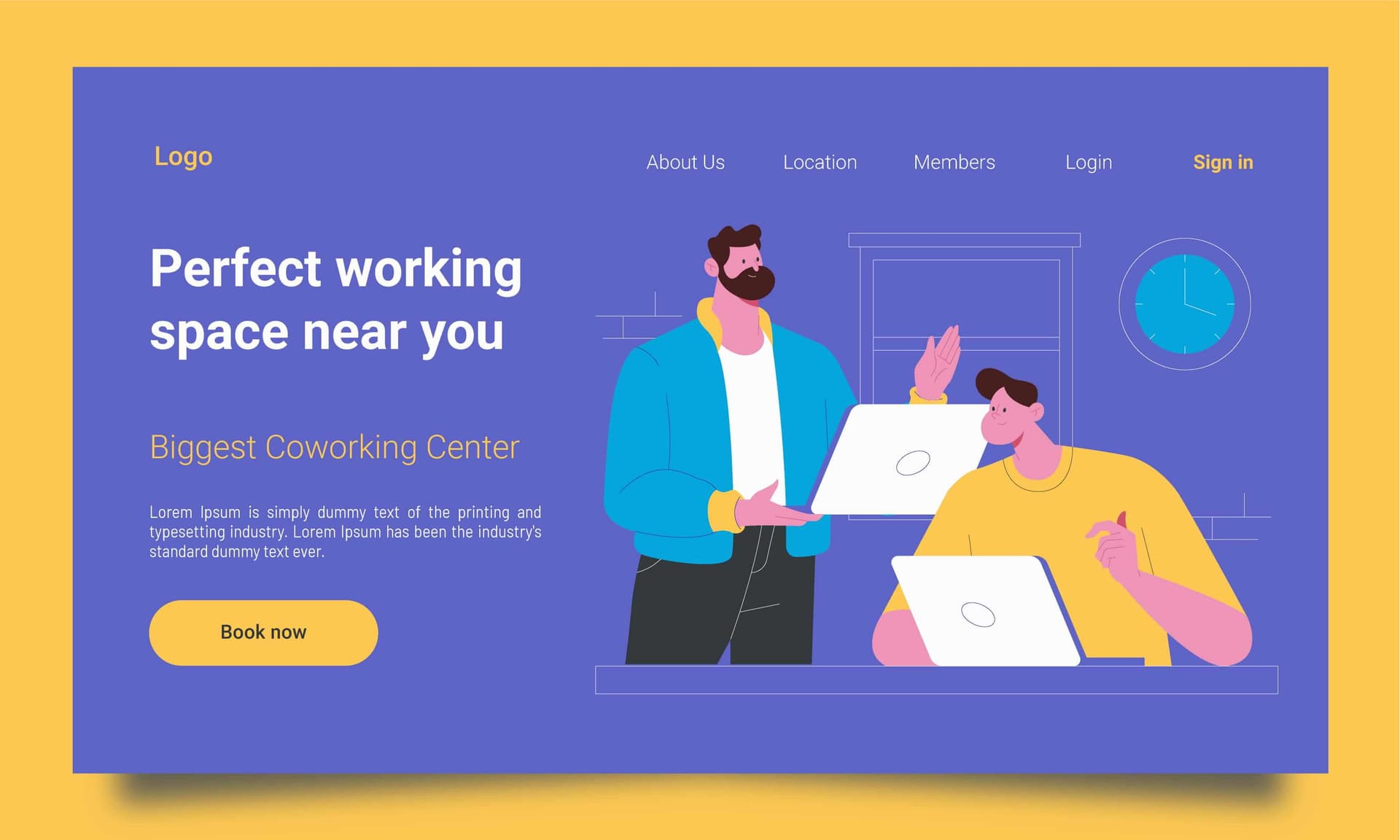 May 23, 20268 min read
Landing Page vs Website: What’s The Difference & Which One Should Your Business Use?
D
Digital Expert IT
Author
In this digital age, every business must have a strong online presence. However, when it comes to building that presence, many business owners get confused between a landing page and website. Both are important marketing tools, but they are used for very different reasons.
Ever wonder if your business needs a landing page, a website, or both? You're not alone. Understanding the difference can help you save money, increase conversions, and build a smarter online strategy.
If you want professional digital services, explore our services here: Digital Expert IT Services
What is a Landing Page?
A landing page is a single web page created for a specific goal or action. A landing page is different from a regular website and is made to convert visitors into leads or customers.
The majority of landing pages are created for marketing campaigns such as:
- Google Ads
- Facebook advertising
- Email marketing campaigns
- Product rollouts
- Lead generation campaigns for B2B
- Webinar sign-ups
- Specials and discounts
A typical landing page includes:
- A clever headline
- Short description blurbs
- Pictures or video
- Trust signals or testimonials
- A single CTA (Call-to-Action)
- Conversion forms or buttons
The main goal is simple: get visitors to do one and only one thing with no distractions.
What is a Website?
A website is a collection of linked web pages that contains all the information about a business, brand, service, or organization.
This is what you typically find on a business website:
- Home page
- About page
- Services page
- Contact page
- FAQ section
- Portfolio
- Blog page
- Product pages
Websites are designed to help users navigate through different information about a business. It’s about branding, credibility, navigation, and long-term online visibility.
Unlike landing pages, websites usually have more than one goal and more than one way to navigate.
Landing Page vs Website
Landing pages are not websites. Here’s a side-by-side comparison of the two.
|
Feature |
Landing Page |
Website |
|
Purpose |
Single conversion objective |
Information and multiple objectives |
|
Navigation |
Little to no navigation |
Full navigation menu |
|
Size |
Brief and focused |
Multiple pages |
|
SEO Opportunities |
Limited SEO value |
Strong long-term SEO value |
|
Conversion Rate |
Usually higher |
Generally lower |
|
User Experience |
One focused approach |
Many options to explore |
|
Best For |
Campaigns & advertising |
Brand development & business growth |
|
Content Type |
Compelling and direct |
Detailed and informative |
When to Use a Landing Page?
Landing pages are best if you want users to do one thing.
1. Paid Ads
If you are spending money on Google Ads or Facebook Ads, you can dramatically increase your conversion rate by sending visitors to a focused landing page.
For instance:
- Digital marketing service ads
- Product launch campaigns
- Free consultation offers
- Webinar sign-up campaigns
A landing page keeps the user focused without referring them to multiple pages.
2. Generating Leads
Landing pages are great for collecting:
- Email addresses
- Phone numbers
- Appointment bookings
- Consultation requests
That’s why many companies leverage them for lead generation campaigns.
3. Limited-Time Offer Promotion
If you are promoting:
- Discounts
- Seasonal advertisements
- Event sign-ups
- Special packages
A landing page adds urgency and boosts conversions.
4. Testing Marketing Campaigns
Landing pages make testing and optimization easier.
You can test:
- Headlines
- CTA buttons
- Images
- Pricing types
This helps improve campaign performance.
When to Use a Website?
For building credibility and growing your business online in the long run, a website is a must.
1. Establishing Brand Authority
Business owners need a professional website because it creates trust and legitimacy.
A website helps people learn about:
- Your business
- Your services
- Your experience
- Customer reviews
- Your portfolio
2. Increase SEO Ranking
If you want to rank on Google, you need a website.
Websites support:
- Blog posts
- Keyword optimization
- Internal linking
- SEO growth
- Continuous traffic growth
Landing pages alone typically don’t provide strong organic search visibility.
3. Providing Different Services
If your business offers multiple services, a website helps organize everything professionally.
For example, a digital agency might offer:
- SEO services
- Web development
- Video editing
- Social media marketing
- Branding
A website helps display all services professionally.
4. Improve User Experience
Websites allow visitors to browse and learn at their own pace.
Users may:
- Read blogs
- View portfolios
- Connect with your team
- Learn about your business
This creates a complete online experience.
Which One is Better?
Landing pages usually convert better than websites.
Why?
Because landing pages remove distractions.
The visitor is encouraged to focus on one action such as:
- Filling out a form
- Requesting a consultation
- Purchasing a product
- Signing up for an event
Focused landing pages generally perform better than general web pages for conversions.
However, websites are better for:
- SEO traffic
- Building trust
- Long-term brand awareness
- Customer education
So the real question is: what is your goal?
Landing Page or Website – Do You Need Both?
Yes, most modern businesses need both.
Using a website and landing pages together creates the best strategy.
How They Work Together
Your Website Builds Trust
Your website is the center of your online presence.
It helps customers:
- Learn about your business
- Understand your services
- Read customer reviews
- Know your story
Your Landing Pages Convert Traffic
Landing pages are created for specific marketing campaigns.
They help convert traffic from:
- Paid ads
- Social media campaigns
- Email marketing
- Promotional offers
Businesses that use both usually get the best results.
Landing Page vs Website for SEO
This is one of the most common questions online.
Which is Better for SEO?
A website is much better for SEO.
Websites support:
- Blog posts
- Keyword targeting
- Internal linking
- Content hubs
- Technical SEO optimization
- Domain authority growth
Google and other search engines prefer consistent and valuable content.
Can Landing Pages Rank on Google?
Yes, optimized landing pages can rank on Google for:
- Local service keywords
- Product-specific keywords
- Campaign-related searches
However, landing pages are mainly built for conversions rather than deep SEO content.
Common Mistakes Businesses Make
1. Using the Homepage as a Landing Page
Homepages usually have too many distractions.
Visitors may:
- Click away
- Visit unrelated pages
- Leave the website
Dedicated landing pages generally perform better for campaigns.
2. Using Only Landing Pages Without a Website
Some businesses rely only on landing pages.
This limits:
- SEO growth
- Brand credibility
- Customer trust
- Long-term visibility
3. Creating Complex Landing Pages
Too many words, buttons, or offers can hurt conversions.
The best landing pages are:
- Simple
- Focused
- Easy to read
Landing Page vs Website: How to Choose
Choose a Landing Page If:
- You want quick conversions
- You run paid ads
- You need fast leads
- You are promoting an offer
- You want higher conversion rates
Choose a Website If:
- You want long-term SEO growth
- You offer multiple services
- You want to build trust
- You need a professional online presence
- You want reliable organic traffic
Best Solution: Use Both
If you want long-term business growth, using both is the smartest strategy.
Your website builds trust and visibility.
Your landing pages convert traffic into real customers.
Final Words
There is no single winner in the landing page vs website debate because both serve different purposes.
Landing pages are built for marketing campaigns and conversions.
Websites are created for branding, SEO, credibility, and long-term business growth.
If your goal is to generate leads quickly, landing pages are usually the better choice.
If you want to grow a strong online business, you need a professional website.
The smartest businesses use both strategically.
Your website earns trust and visibility while your landing pages turn visitors into customers.
If you want to scale your business online, investing in the right digital strategy can be a game-changer.
To connect with us, visit Digital Expert IT
FAQs About Landing Page vs Website
What is the difference between a landing page and a website?
A landing page is built around one conversion goal, while a website contains multiple pages with broader business information.
Which is better for SEO: landing page or website?
A website is better for SEO because it supports blog content, keyword optimization, internal linking, and long-term organic traffic growth.
Can I use a landing page without a website?
Yes, but it is not ideal for long-term business growth. Websites help build trust, authority, and SEO visibility.
Do landing pages convert better than websites?
Yes, in most cases. Landing pages are designed to focus users on a single action without distractions.
Should a small business use a landing page or website?
Small businesses benefit most from using both. Landing pages help generate leads, while websites build credibility.
Why are landing pages important for Google Ads?
Dedicated landing pages usually improve Google Ads performance because they match the ad message and guide users toward one action.
How many landing pages should a business have?
A business can have multiple landing pages for different campaigns, products, services, or target audiences.
Can landing pages rank on Google?
Yes, optimized landing pages can rank for targeted local or campaign-specific keywords.
Which costs more: a landing page or a website?
A full website usually costs more because it includes multiple pages, advanced functionality, and more development work.
Is a homepage the same as a landing page?
No. A homepage provides general business information and navigation, while a landing page focuses on a single marketing goal.