49/08, Nirala Residential Area, Khulna
contact@digitalexpertit.com
←Back to Articles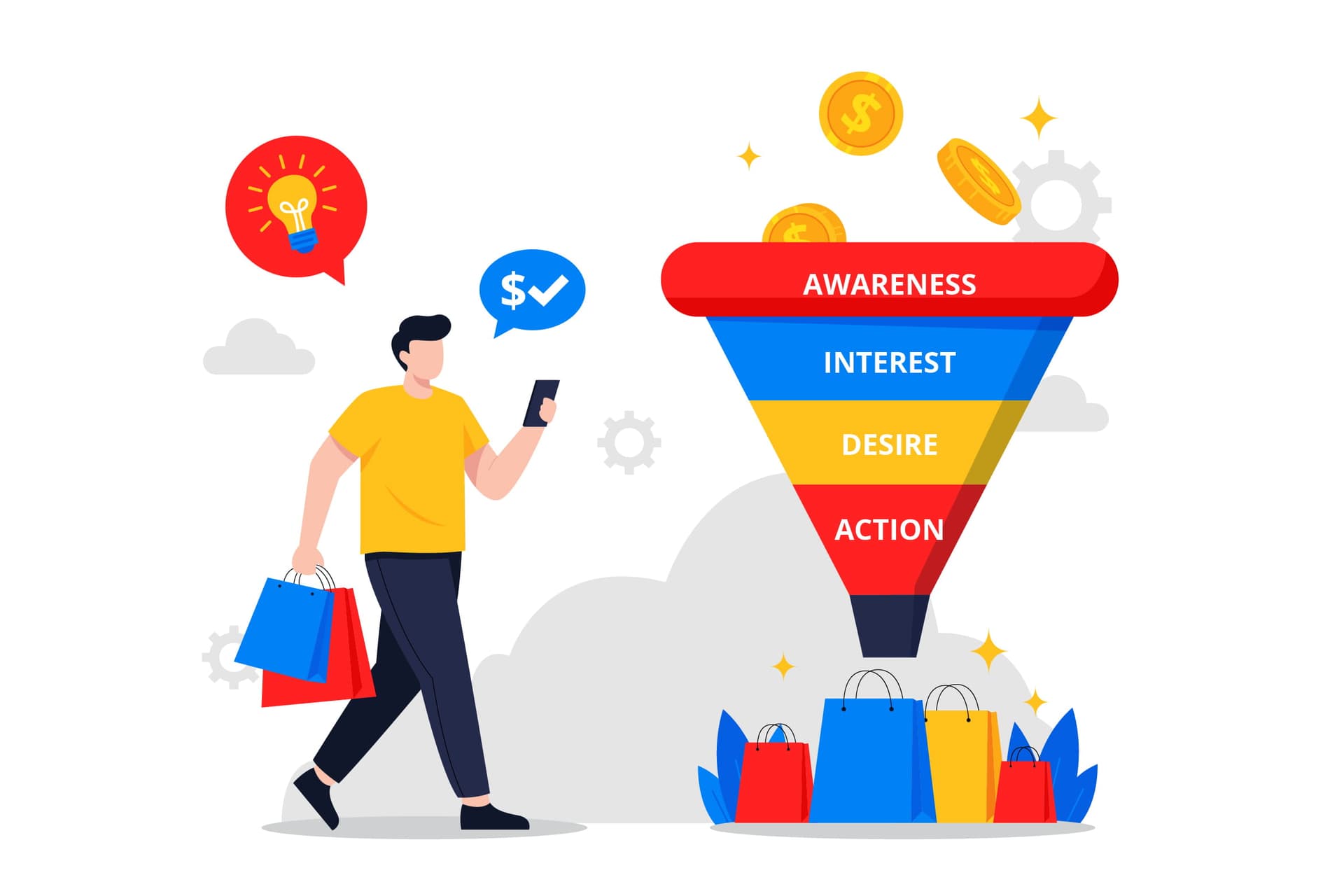 March 31, 20264 min read
Why a Marketing Funnel is Important for Digital Agencies
Marketing funnel for a digital agency: how to attract, convert, and keep clients
D
Digital Expert IT
Author
You can’t scale a digital agency in a crowded market with just your services. Not only do you need to funnelise it, you also need it funnel – ised for a deliciously successful digital agency.
What is a marketing funnel for a digital agency?
Simply, it’s the path potential clients walk from first learning about your agency to becoming a repeat client. Without a good funnel in place agencies make their lives much harder with inconsistent lead flow and one off clients. Find out everything you need to know about marketing funnel for a digital agency, all the way from awareness to conversion (and beyond…)
A marketing funnel is a specific path that a consumer follows as they move, perhaps not in a straight line, from first touch to your agency, to conversion (and sometimes beyond).
For many digital agencies, this typically looks like:
- Attraction
- Engagement
- Conversion
- Closing
- Retention
For most digital agencies, a funnel consists of three steps:
- Top of Funnel (TOFU) – Awareness
- MOFU – Middle of Funnel
- BOFU – Bottom of Funnel
Some agencies also talk of a fourth stage: retention & loyalty.
Why a Marketing Funnel is Important for Digital Agencies
- Generate Consistent Leads
You are not quaking at the thought of referrals being in the pipeline. You have a steady stream of reasons to be in contact with prospective clients. - Improve Conversion Rates
The more that visitor follows a structured journey the more likely they are to become a client. - Build Trust and Credibility
Give value at every stage, and you position your agency as a specialist. - Enhance Marketing Effectiveness
You can measure yourself at every level and attempt to reinforce weaknesses. - Increase Lifetime Client Value
A good funnel will not only convert new business but also hold and upsell.
The Stages of a Marketing Funnel For a Digital Agency
1. Top of Funnel (TOFU) – Awareness stage
The section where prospect finds your agency for the first time.
Objective: Arouse curiosity and attract them to your website.
Strategies:
- Search engine optimization
- Blogging
- Social networks
- Youtube videos
- Ads
- Article marketing
Content Examples:
- What is Digital Marketing?
- How to Grow Your Business Online
- Educational Videos/Tips
Here they’re unsure if they’ll actually make a purchase, they’re keen to find out and understand.
2. Middle of Funnel (MOFU) – Consideration / Engagement Stage
Now that they know you’re out there, they’re about to check if you’re qualified to solve their problem.
What follows is pulling together leads who’ve showed some interest in your offer via having a touchpoint ‘here and there’ with the brand.
Goal: Build trust and generate leads.
Strategies:
- Lead magnets (free PDFs, downloads)
- Email marketing
- Case studies
- Webinars
- Retargeting ads
Content:
- eBooks and guides
- Case studies showing results
- Comparison posts
- Email sequences
Tools:
- Landing pages
- Contact forms
- Newsletter signups
At this stage you are gathering information about the user, and start nurturing them.
3. Bottom of Funnel (BOFU) – Conversion Stage
You’ve got ‘em hooked! Now convert them into clients.
Goal: Convert leads into clients.
Strategies:
- Sales calls
- Free consultations
- Proposal presentations
- Testimonials and reviews
- Strong CTAs
Content:
- Hire Our Digital Marketing Services
- Pricing pages
- Client testimonials
- Portfolio
Conversion Elements:
- Transparent pricing
- Strong value proposition
- Trust signals
Trust and credibility play a huge role here.
4. Retention & Loyalty Stage
Often ignored, but one of the most important stages.
Goal: Keep the client and increase value.
Strategies:
- Regular communication
- Performance reporting
- Upselling services
- Cross-selling
- Loyalty programs
- Email follow-ups
Satisfied clients become your best marketing channel.
Steps to Build a Marketing Funnel
- Discover Your Target Market
Know your ideal clients, their pain points, and required services. - Produce Awareness Content
SEO blogs, social posts, and video marketing. - Create Lead Generation System
Landing pages, lead magnets, and email capture forms. - Nurture Leads
Use email sequences and retargeting ads. - Convert Leads
Free consultation and strategy calls. - Retain Clients
Encourage retention and upselling.
Best Channels for a Digital Agency Funnel
- Search engine (SEO)
- Social media
- Paid advertising
- Email marketing
- Content marketing
Tools to Use
- Google Analytics
- Google Search Console
- HubSpot
- Zoho CRM
- Mailchimp
- ConvertKit
- ClickFunnels
- Systeme.io
Common Funnel Mistakes
- No clear target audience
- Weak content strategy
- No lead capture system
- Ignoring follow-ups
- No tracking or analytics
Example Funnel
Blog post → Free guide download → Email sequence → Free consultation → Paid service → Client retention
Future Trends
- AI and automation
- Personalization
- Video content
- Data-driven strategies
Conclusion
An agency funnel is your secret to sustainable growth. By implementing the right strategies to attract, nurture, convert, and retain clients, you can scale your agency effectively.
Instead of random marketing efforts, focus on building a structured funnel that consistently generates results.