49/08, Nirala Residential Area, Khulna
contact@digitalexpertit.com
←Back to Articles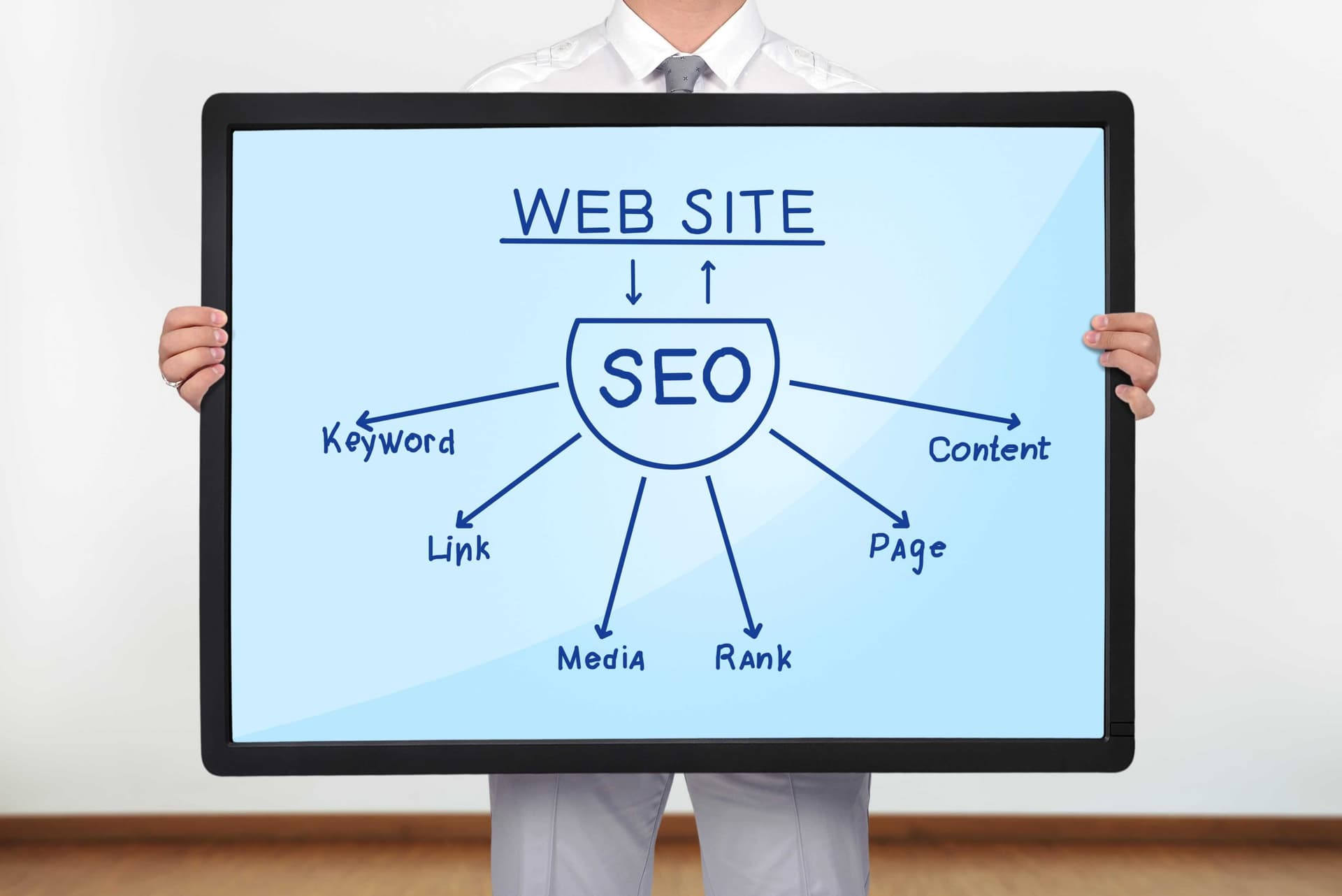 June 1, 20267 min read
SEO and Web Development: Why They Must Work Together for Higher Rankings, Better User Experience, and Long-Term Online Success
D
Digital Expert IT
Author
In today's highly competitive online landscape, having a visually appealing website is no longer enough. Many businesses invest significant resources in website design and development, only to struggle with attracting visitors from search engines. The reason is simple: SEO and web development must work together from the very beginning.
Many businesses mistakenly treat SEO as something that can be added after a website is launched. In reality, search engine optimization is deeply connected to the design, coding, and overall structure of a website. When SEO and web development are aligned, websites load faster, provide better user experiences, rank higher in search engine results, and generate more leads over time.
What Is SEO?
Search Engine Optimization (SEO) is the process of improving a website's visibility on search engines such as Google. The goal is to increase organic traffic by helping search engines understand website content and rank it higher for relevant keywords.
The main components of SEO include:
- Keyword Research
- On-Page Optimization
- Technical SEO
- Link Building
- User Experience
When implemented correctly, SEO helps businesses become more accessible to potential customers searching online for products or services.
What Is Web Development?
Web development refers to the creation and maintenance of websites. It includes everything from coding and programming to database management and performance optimization.
Web development is generally divided into three categories:
Front-End Development
Front-end development focuses on everything users see and interact with, including:
- Website layout
- Navigation
- Buttons
- Forms
- Mobile responsiveness
Back-End Development
Back-end development handles server-side functionality such as:
- Databases
- Server configuration
- APIs
- User authentication
Full-Stack Development
A full-stack developer works on both front-end and back-end components.
A well-developed website creates the technical foundation needed for successful SEO.
Why SEO and Web Development Are Connected
Many businesses assume SEO begins after a website launches. However, SEO actually starts during the development process.
Search engines evaluate many technical aspects that are directly influenced by web development decisions, including:
- Page speed
- Mobile responsiveness
- Site architecture
- Security
- Structured data
- Crawlability
- Core Web Vitals
Even excellent content may struggle to perform if these technical factors are ignored. Strong content must be supported by a technically optimized website.
The Impact of Web Development on SEO
Website Speed and Performance
Website speed is a critical ranking factor for Google. Users expect pages to load within seconds. Slow websites often experience:
- Higher bounce rates
- Lower engagement
- Reduced conversions
- Poor search rankings
Developers can improve speed by:
- Compressing images
- Minimizing CSS and JavaScript files
- Using caching
- Implementing Content Delivery Networks (CDNs)
- Optimizing server performance
Fast websites create a better user experience and stronger SEO performance.
Mobile-Friendly Design
Google uses mobile-first indexing, which means it primarily evaluates the mobile version of a website.
A responsive website automatically adapts to different screen sizes and devices, providing:
- Better user experience
- Increased engagement
- Improved search rankings
- Lower bounce rates
Modern web development should always prioritize mobile responsiveness.
Clean Website Structure
Search engines need to understand how a website is organized.
Developers should create:
- Logical navigation
- Clear URL structures
- Internal linking systems
- XML sitemaps
A clean website structure helps search engines crawl and index pages more effectively.
Core Web Vitals Optimization
Core Web Vitals measure user experience based on:
- Loading performance
- Interactivity
- Visual stability
These metrics have become important ranking signals. Proper coding practices and performance optimization can significantly improve Core Web Vitals scores.
Secure Website Development
Security is another important ranking factor.
Developers should implement:
- HTTPS encryption
- Secure hosting environments
- Regular software updates
- Malware protection
Secure websites build trust with both users and search engines.
Schema Markup and Structured Data
Schema markup helps search engines understand website content more effectively.
Structured data can enhance search visibility by providing additional information directly within search results.
Developers can integrate schema markup directly into website code to support SEO performance.
SEO Best Practices Developers Should Follow
To create an SEO-friendly website, developers should incorporate the following best practices.
Use Semantic HTML
Semantic HTML elements such as:
- Header
- Nav
- Main
- Section
- Article
- Footer
help search engines understand page content and hierarchy.
Optimize URLs
SEO-friendly URLs should be:
- Short
- Descriptive
- Keyword-focused
Example:
yourwebsite.com/seo-and-web-development
Use Proper Heading Structure
Headings should be used correctly:
- H1 for the page title
- H2 for major content sections
- H3 for subsections
This improves readability and helps search engines understand content structure.
Create XML Sitemaps
XML sitemaps help search engines discover important pages quickly and efficiently.
Fix Crawl Errors
Developers should regularly monitor:
- Broken links
- Redirect issues
- 404 errors
- Duplicate pages
These technical issues can negatively impact SEO performance.
The Role of SEO During Website Development
SEO should never be treated as an afterthought. Instead, it should be integrated into every stage of the development process.
Planning Stage
Identify:
- Target audience
- Keywords
- Site architecture
- Content requirements
Design Stage
Focus on:
- User experience
- Mobile responsiveness
- Conversion optimization
Development Stage
Implement:
- Fast-loading code
- SEO-friendly URLs
- Schema markup
- Technical SEO elements
Testing Stage
Verify:
- Page speed
- Mobile usability
- Indexability
- Technical SEO health
This approach saves time and delivers stronger long-term results.
Benefits of Combining SEO and Web Development
Businesses that align SEO and web development gain several advantages.
Higher Search Rankings
Websites optimized for both search engines and users typically achieve better rankings and increased organic traffic.
Improved User Experience
Fast, responsive websites keep visitors engaged and encourage them to return.
Improved Conversion Rates
A well-optimized website makes it easier for users to take action.
Long-Term Growth
Unlike paid advertising, SEO can provide sustainable traffic and long-term business growth.
Why Businesses Should Invest in Both SEO and Web Development
Many companies focus heavily on design while overlooking SEO during development.
This often leads to expensive redesigns and technical corrections later.
By integrating SEO and web development from the beginning, businesses can create websites that are:
- Search engine friendly
- User friendly
- Scalable
- Faster
- More profitable
The most successful websites are built when developers and SEO specialists collaborate throughout the entire project.
Conclusion
SEO and web development are no longer separate disciplines. They work together to determine how well a website performs online. A beautiful website without SEO may remain invisible, while strong SEO efforts can be limited by poor website development.
Businesses that integrate SEO into the development process gain a significant competitive advantage. From faster loading speeds and mobile responsiveness to improved crawlability and search visibility, every development decision can influence SEO success.
To achieve higher rankings, attract more visitors, and generate more leads, SEO and web development must work together from the very beginning.
If you are looking to build a website designed for performance, user experience, and long-term growth, visit Digital Expert It or explore professional services at Digital Expert It Services.
Frequently Asked Questions (FAQs)
What is the relationship between SEO and web development?
SEO and web development are closely connected. Web development creates the technical foundation, while SEO helps search engines understand and rank the website. Together, they improve visibility, performance, and user experience.
Does web development affect SEO rankings?
Yes. Factors such as page speed, mobile responsiveness, website structure, security, and Core Web Vitals directly influence search engine rankings.
Why is mobile-friendly web development important for SEO?
Google uses mobile-first indexing, meaning it primarily evaluates the mobile version of a website. A mobile-friendly website can improve both rankings and user experience.
Can SEO be added after website development?
Yes, but it is generally more effective and cost-efficient when SEO is integrated into the website development process from the beginning.
What are the most important practices for SEO-friendly web development?
Key practices include:
- Fast page loading speed
- Responsive design
- Clean code
- Proper heading structure
- XML sitemaps
- Secure HTTP connections
- Structured data implementation
What are Core Web Vitals and how do they impact SEO?
Core Web Vitals measure loading performance, responsiveness, and visual stability. Strong scores can improve search rankings and enhance user satisfaction.
How frequently should SEO be updated on a website?
Websites should be updated regularly with fresh content, technical improvements, security updates, and performance optimizations to maintain strong SEO performance.
Why should businesses hire professionals for SEO and web development?
Professional SEO and web development ensure that technical and optimization elements are implemented correctly, helping businesses achieve better rankings, improved user experiences, and higher conversion rates.