49/08, Nirala Residential Area, Khulna
contact@digitalexpertit.com
←Back to Articles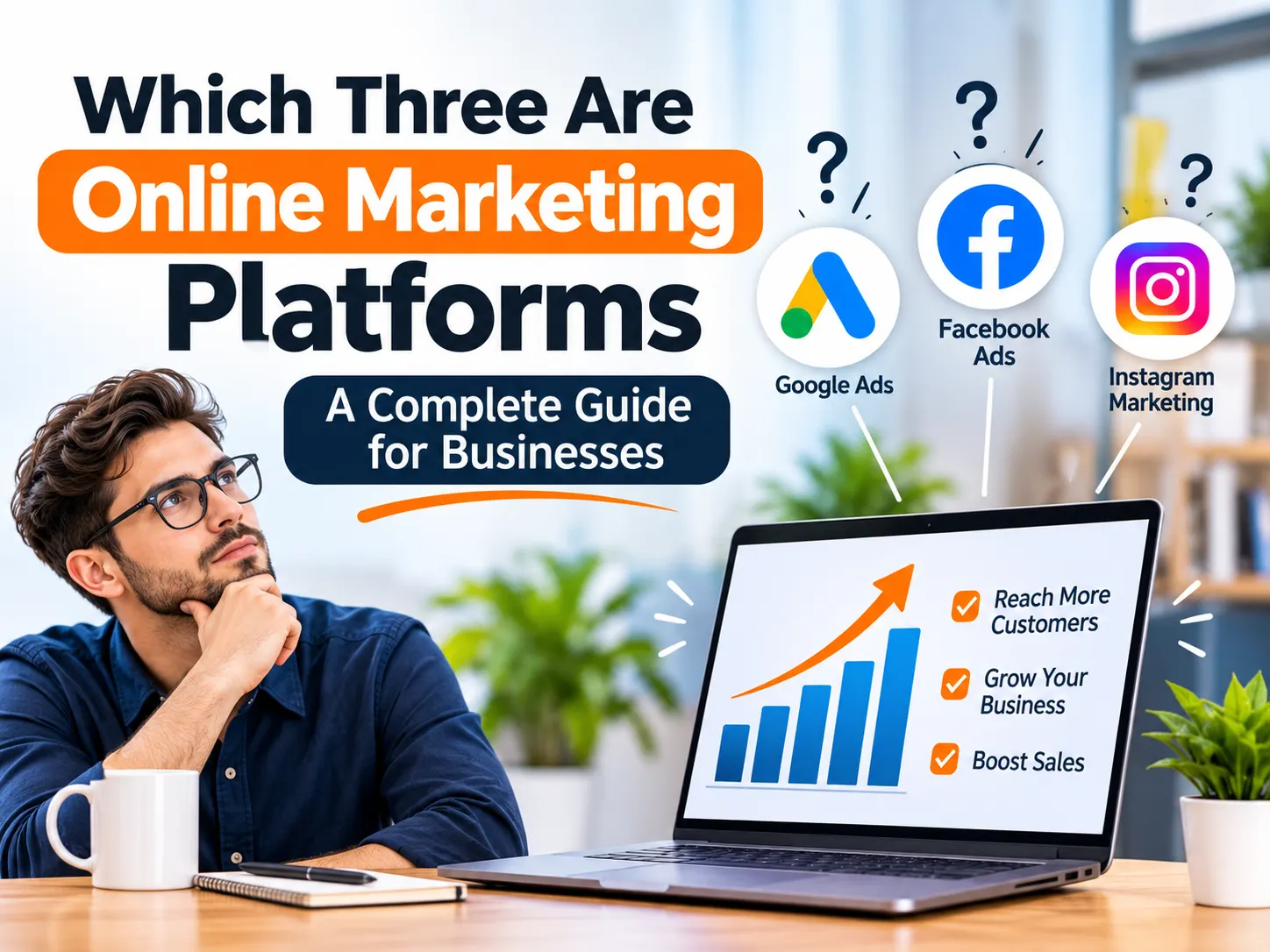 November 27, 20269 min read
Which Three Are Online Marketing Platforms? A Complete Guide for Businesses
D
Digital Expert IT
Author
When businesses want to reach more customers online, choosing the right marketing platforms can make a significant difference. But with so many options available, it is easy to feel confused about where to begin. Should you focus on social media, search engines, email marketing, or paid advertising?
If you're wondering which three are online marketing platforms, three of the most widely used options are social media platforms, search engine platforms, and email marketing platforms. Each serves a different purpose, but together they can help businesses increase visibility, attract potential customers, and build long-term relationships.
Understanding how these platforms work can help you create a smarter digital marketing strategy without wasting time or money.
Which Three Are Online Marketing Platforms?
The three major online marketing platforms are:
- Social Media Platforms: Facebook, Instagram, LinkedIn, and TikTok.
- Search Engine Platforms: Google and Bing.
- Email Marketing Platforms: Mailchimp, Brevo, and HubSpot.
These platforms help businesses connect with audiences at different stages of the buying journey. Social media creates awareness, search engines help customers discover solutions, and email marketing builds relationships that encourage conversions and repeat purchases.
Let's look at each platform and understand how businesses can use it effectively.
1. Social Media Platforms
"Social media is one of the most popular online marketing platforms because it allows businesses to communicate directly with their target audiences. Millions of people use social networking websites and applications daily to discover products, follow brands, watch videos, and interact with businesses."
Popular social media marketing platforms include:
- Facebook: Useful for community building, business promotion, customer engagement, and targeted advertising.
- Instagram: Ideal for visual content, product showcases, Reels, and brand awareness.
- LinkedIn: Particularly valuable for B2B marketing, professional networking, and generating business leads.
- TikTok: Helps brands reach audiences through short-form videos, creative content, and trending topics.
Why Is Social Media Marketing Important?
Social media gives businesses an opportunity to reach potential customers without depending entirely on traditional advertising.
For example, a clothing store can share product photographs and promotional videos on Instagram. A software company can publish educational posts on LinkedIn to attract business owners. Similarly, a local restaurant can use Facebook to announce special offers and connect with nearby customers.
Paid social media advertising also allows businesses to target audiences based on interests, demographics, location, and other available targeting options.
However, simply creating social media accounts isn't enough. Businesses need consistent content, engaging visuals, clear messaging, and a strategy that focuses on their customers' interests.
2. Search Engine Platforms
Search engines are another essential part of online marketing. Unlike social media, where people often discover brands while browsing, search engines connect businesses with users who are actively looking for information, products, or services.
The most recognized search engine platforms include:
- Google: The leading search engine for discovering websites, products, services, and information.
- Bing: Microsoft's search engine, which provides another opportunity to reach online audiences.
Businesses can use search engines through two primary marketing methods: Search Engine Optimization (SEO) and Pay-Per-Click (PPC) advertising.
Search Engine Optimization (SEO)
SEO helps websites improve their visibility in organic search results. It involves keyword research, high-quality content, technical improvements, website speed optimization, and link building.
For example, if someone searches for "best digital marketing agency for small businesses," a properly optimized website has an opportunity to appear in relevant search results.
Unlike paid advertising, organic SEO doesn't require businesses to pay for every click. However, achieving strong rankings takes time, consistent effort, and valuable content.
Pay-Per-Click Advertising (PPC)
PPC advertising allows businesses to display sponsored advertisements when users search for relevant keywords.
Google Ads is a popular example. Businesses can create campaigns targeting specific search terms, locations, and customer groups.
For instance, a web development company could run advertisements targeting people searching for custom website development services.
The main advantage of search engine marketing is that it can connect businesses with people who already have an interest in what they offer.
3. Email Marketing Platforms
Email marketing is the third major online marketing platform. It allows businesses to communicate directly with existing customers, subscribers, and potential buyers through email.
Unlike social media, where platform algorithms influence content visibility, email gives businesses a direct communication channel with people who have chosen to receive their messages.
Popular email marketing platforms include:
- Mailchimp: Helps businesses create email campaigns, manage subscribers, and automate communications.
- Brevo: Offers email marketing, contact management, and marketing automation features.
- HubSpot: Provides email marketing alongside CRM, sales, and customer relationship management tools.
How Does Email Marketing Help Businesses Grow?
Email marketing is useful for maintaining customer relationships and encouraging repeat purchases.
For example, an online store can send welcome emails to new subscribers, product recommendations to interested customers, and special offers to previous buyers.
A service-based business can use email campaigns to share industry updates, helpful resources, company news, and promotional offers.
Email automation makes this process even more convenient. Businesses can create automated messages triggered by actions such as subscribing to a newsletter, requesting information, or making a purchase.
The key is to send relevant and useful messages rather than overwhelming subscribers with unnecessary promotions.
How Do These Three Online Marketing Platforms Work Together?
Although each platform has a different purpose, their real potential becomes clear when businesses use them together.
Imagine a web development company trying to attract new clients.
First, it publishes educational posts on Facebook, Instagram, and LinkedIn to introduce its services. Interested users discover the brand and visit its website.
Next, the company uses SEO and Google Ads to attract people searching for website development solutions.
Finally, visitors who subscribe to its newsletter receive helpful emails, service updates, and relevant offers.
This creates a connected marketing process:
Social Media → Website Traffic → Search Visibility → Email Engagement → Customer Conversion
Businesses can also use website analytics and conversion tracking to understand which channels generate meaningful results.
A well-planned approach ensures that marketing activities support one another instead of operating as separate campaigns.
How to Choose the Right Online Marketing Platforms for Your Business
Not every business needs to invest equally in all three platforms. Your decision should depend on your audience, industry, marketing budget, and business goals.
Here are a few practical considerations:
Understand your target audience: Find out which platforms your potential customers use most frequently.
Define your marketing goals: If you want immediate visibility, paid advertising may help. If you're building long-term organic traffic, SEO deserves attention.
Consider your budget: Social media content, SEO, and email marketing can be managed with different budget levels. Choose an approach that fits your resources.
Create valuable content: Every platform needs useful information that gives people a reason to engage with your business.
Measure performance: Monitor website traffic, engagement, email subscriptions, qualified leads, and conversions to understand what's working.
Businesses that need professional support with these activities can explore Digital Expert IT for digital marketing, website development, SEO, and other online growth solutions.
You can also explore its digital marketing and web development services to understand how different marketing activities can support business growth.
Common Mistakes to Avoid When Using Online Marketing Platforms
Even businesses with a strong marketing budget can struggle when their strategy lacks direction.
Some common mistakes include:
- Creating social media accounts without maintaining consistent activity.
- Ignoring SEO and relying entirely on paid advertising.
- Sending promotional emails without understanding subscriber interests.
- Publishing content without a clear purpose or target audience.
- Focusing on likes and impressions instead of leads and conversions.
- Using the same marketing message across every platform.
Avoiding these mistakes can help businesses use their marketing resources more effectively and build a stronger online presence.
Conclusion
So, which three are online marketing platforms? The three major options are social media platforms, search engine platforms, and email marketing platforms.
Social media helps businesses build awareness and connect with audiences. Search engines attract people actively looking for products and services, while email marketing helps maintain relationships and encourage conversions.
Each platform has its own strengths, but combining all three can create a more effective digital marketing strategy.
You don't need to master every marketing channel immediately. Start by understanding your audience, choosing the platforms that match your goals, and consistently delivering valuable content. With the right strategy, your business can improve online visibility, attract qualified leads, and build lasting customer relationships.
Frequently Asked Questions (FAQs)
1. Which three are online marketing platforms?
The three major online marketing platforms are social media platforms, search engine platforms, and email marketing platforms. Examples include Facebook, Instagram, Google, Bing, Mailchimp, and HubSpot.
2. What are the three most popular digital marketing platforms?
Social media, search engines, and email marketing are three widely used digital marketing categories. They help businesses build brand awareness, attract website visitors, and communicate with potential customers.
3. What are examples of online marketing platforms?
Examples include Facebook, Instagram, LinkedIn, TikTok, Google, Bing, Mailchimp, Brevo, and HubSpot. Each platform supports different marketing activities, from social engagement to search advertising and email campaigns.
4. Which online marketing platform is best for beginners?
Social media is often a convenient starting point because businesses can create profiles and publish content without a large initial advertising budget. However, SEO and email marketing are also valuable for building long-term growth.
5. What is the difference between social media marketing and search engine marketing?
Social media marketing promotes businesses through social networking platforms, while search engine marketing focuses on reaching users through search results, including organic listings and paid advertisements.
6. Can businesses use all three online marketing platforms together?
Yes. Businesses can use social media to build awareness, search engines to attract interested visitors, and email marketing to nurture leads and maintain customer relationships. Combining these channels creates a more connected marketing strategy.
7. Are online marketing platforms effective for small businesses?
Yes. Small businesses can use social media, SEO, and email marketing to reach targeted audiences, promote their services, and generate leads. The results depend on choosing suitable platforms and maintaining a consistent marketing strategy.